
Global Forex Trading: Opportunities and Strategies
Forex trading is the largest and most liquid financial market in the world, with trillions of dollars exchanged daily. As the market operates 24 hours a day, five days a week, it provides unparalleled opportunities for traders worldwide. With the introduction of various tools and platforms, including innovative global forex trading Crypto Trading App, retail traders have better access to markets, enabling them to participate actively in forex trading.
Understanding Forex Market
The foreign exchange market, commonly known as forex or FX, involves the trading of currencies. Unlike other financial markets, the forex market is decentralized and over-the-counter (OTC), meaning that transactions occur directly between parties rather than on a centralized exchange. This structure allows for high flexibility and caters to a diverse set of participants, from large financial institutions and corporations to individual retail traders.
The Mechanics of Forex Trading
In forex trading, currencies are quoted in pairs. For example, in the pair EUR/USD, the euro is the base currency, and the US dollar is the quote currency. The price indicates how much of the quote currency is needed to purchase one unit of the base currency. Traders bet on the movement of currency pairs, aiming to profit from changes in exchange rates.
Currency Pairs
Currency pairs are categorized into three types: major pairs, minor pairs, and exotic pairs. Major pairs include widely traded currencies like the Euro, US Dollar, and Japanese Yen. Minor pairs feature currencies that are less frequently traded, such as the Australian Dollar and the British Pound. Exotic pairs consist of a major currency and a currency from a developing economy, which can pose higher risk due to volatility.
Global Forex Trading Opportunities
Forex trading offers several opportunities for profit generation. These include:
- Leverage: Forex markets typically allow traders to use leverage, meaning they can control large positions with a relatively small amount of capital. This magnifies potential profits but also increases the risk of significant losses.
- Variety of Trading Strategies: Traders can employ various strategies, including day trading, swing trading, and position trading, allowing for diverse approaches to capture market movement.
- Global Accessibility: With the advent of technology, forex trading is more accessible than ever, enabling trading from anywhere in the world with an internet connection.
Risks Involved in Forex Trading
While the opportunities in forex trading are enticing, it is crucial to understand the inherent risks associated with it:
- Market Volatility: Forex markets can be highly volatile, leading to sudden and unpredictable price changes that can adversely affect trades.
- Leverage Risks: While leverage can amplify gains, it also increases losses. A small adverse price movement can result in significant losses, particularly if the trader is highly leveraged.
- Geopolitical Factors: Global events, such as political instability, economic crises, and changes in government policies, can considerably impact currency values.
Forex Trading Strategies
Successful forex trading relies on sound strategies and analysis. Here are some popular trading strategies:
Technical Analysis
Technical analysis involves studying price charts and using indicators to predict future movements. Traders analyze historical price trends, volume, and patterns to make informed decisions.
Fundamental Analysis
Fundamental analysis focuses on economic indicators, news releases, and geopolitical events that may influence currency values. Factors such as GDP growth, inflation rates, and employment data are critical in assessing the strength of a currency.
Sentiment Analysis
Sentiment analysis involves gauging market sentiment to determine whether traders are optimistic or pessimistic about a currency. This can provide insights into potential price movements based on collective trader behavior.

Utilizing Technology in Forex Trading
Technology plays a pivotal role in modern forex trading. From affordable trading platforms to algorithms that facilitate high-frequency trading, technology improves access, efficiency, and profitability for traders.
Trading Platforms
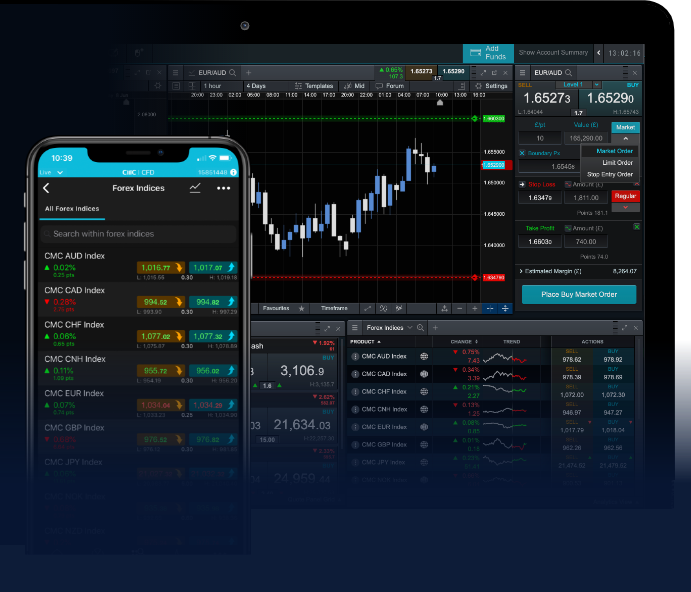
Trading platforms are essential tools for forex trading. They provide access to real-time market data, allow order placements, and offer analytical tools. Traders should choose platforms that are user-friendly, secure, and equipped with necessary features to suit their trading style.
Automated Trading Systems
Automated trading systems, also known as trading bots, are designed to execute trades based on pre-set criteria. They can help eliminate emotional decision-making and allow traders to take advantage of market opportunities quickly.
The Importance of Risk Management
Risk management is a crucial aspect of forex trading. To safeguard against potential losses, traders should employ various risk management techniques:
- Position Sizing: Determining the appropriate size of a trade relative to the trader's overall capital helps manage exposure and potential losses.
- Stop-Loss Orders: Implementing stop-loss orders allows traders to set predetermined exit points to minimize losses on losing trades.
- Diversification: Diversifying across different currency pairs can help spread risk and reduce the overall impact of market volatility.
Conclusion
Global forex trading presents a multitude of opportunities and challenges. A thorough understanding of the market, effective strategies, and sound risk management techniques are essential for success. As technology continues to evolve, traders have unprecedented access to tools and resources, making it an exciting time to engage in forex trading. Whether you are a novice or an experienced trader, continuous learning and adaptation will be key to navigating the dynamic world of forex.

